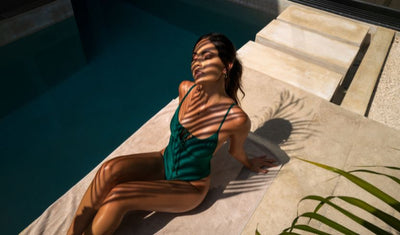
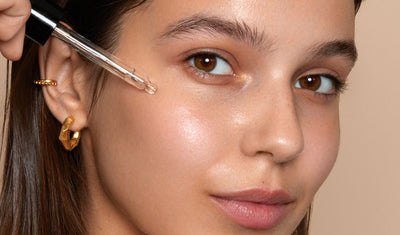
Summer is approaching, and with it, tanning season! Sunscreen is a must-have for many in summer and on vacation to avoid sunburn, but without having to sacrifice a tanned result. Or is it possible to get a tan even with sunscreen? I'll explain whether you can get a tan with sunscreen and, most importantly, with which methods!
Can you get a tan despite using sunscreen?
Yes, you can still get a tan even with sunscreen. This is because sunscreens don't block 100% of UV rays, so some radiation still reaches your skin, and you'll get tanned. The tanning process with sunscreen is significantly slower, but it's healthier and often more even than without UV protection.
How do you get a tan?
As soon as you are exposed to UV radiation, your skin's melanin production is stimulated. Melanin is the skin pigment responsible for skin color.
The role of UV rays
However, not all UV radiation is equally responsible for tanning:
- UVA rays: UVA rays are long-wave, penetrate deep into the skin, and increase the visibility of melanin. They provide a short-term tan that fades quickly. At the same time, they destroy collagen and elastin in the deeper layers of the skin, which can promote premature skin aging.
- UVB rays: UVB rays are short-wave, stimulate melanin production, and thus provide a deeper and longer-lasting tan. They only penetrate the outermost layer of the skin but are the main cause of sunburn and are responsible for the development of skin cancer.

Tanning according to skin type
But it's not just the type of UV rays that determines skin tanning, but also your skin type. There are six different skin types:
Celtic Skin Type
Very pale, sensitive skin—often with freckles. Red or reddish-blonde hair is typical. The skin's natural self-protection time is usually only about 10 minutes. The skin generally does not tan but quickly gets sunburned. Therefore, high sun protection with SPF 50+ is recommended.
Nordic Skin Type
This skin type is characterized by fair skin, often also with freckles. Hair is usually blonde to light brown. The self-protection time is approximately 20 minutes. The skin tans only slightly to moderately and reacts sensitively to intense sun. A sun protection factor between 30 and 50+ is recommended.
Mixed Skin Type
The mixed skin type has fair to lightly tanned skin, with freckles being rather rare. Hair color ranges from dark blonde to brown. The skin has a self-protection time of about 30 minutes and can tan relatively well. A sun protection factor of 30 to 50+ is suitable for adequate protection.
Mediterranean Skin Type
Typical characteristics are an olive to light brown skin tone and dark brown hair. Freckles are rare. The skin has a self-protection time of about 50 minutes and usually tans quickly and intensely. A sun protection factor of about 30 is recommended.
Dark Skin Type
Dark brown skin and dark brown to black hair are characteristic of this type. The skin's natural protection time is approximately 60 minutes. The skin is already highly pigmented, so additional tanning is often barely visible. Nevertheless, sunscreen with at least SPF 20 should be used.
Black Skin Type
This skin type has very dark skin and black hair. The self-protection time is approximately 60 to 90 minutes. Due to the high natural pigmentation, the skin color usually changes little from sun exposure. Sunscreen is also useful here—products with SPF 10 to 15 are recommended.
Why the UV index is important
The UV index indicates the intensity of UV radiation and thus shows how quickly unprotected skin can be damaged. The higher the index, the greater the risk of sunburn and the shorter your tanning time.
You can find out what the ideal UV index for tanning is in our blog post!
Why sunscreen is still important
Every sunburn increases your risk of skin cancer, so sunscreen is an absolute must in summer! You will still get a tan with sunscreen, but make sure to use a sun protection factor appropriate for your skin type and reapply regularly. Because sunscreen is not a total block, but merely extends the self-protection time (i.e., the time you can spend in the sun without damage).
Recommendations for tanning despite sunscreen
While sunscreen slows down the tanning process, it also protects your skin from long-term damage and sunburn. In fact, you can boost the tanning process with special formulas like those from The Fox Tan – these tanning accelerators stimulate your skin's natural melanin production, leading to faster tanning results with the same amount of time in the sun. So, they're the ideal add-on to sunscreen – your skin is protected while still getting a quick tan!
The Fox Tan – Rapid Tanning Elixir

ab 21,90 €
with the code
-0%
Latest lowest price: 21,90 €
(Prices incl. VAT, plus shipping)
The Fox Tan – Rapid Tanning Mist

20,90 €
with the code
-0%
Latest lowest price: 20,90 €
(Prices incl. VAT, plus shipping)
Note: Apply tanning accelerator first, then sunscreen – for perfect protection and the best results!
Geek & Gorgeous – Zero Feel SPF 50+
NERDS. – Lightweight Hydrate UV Defense Lotion SPF50

17,90 €
with the code
-100%
Latest lowest price: 17,89 €
(Prices incl. VAT, plus shipping)
Bondi Sands – SPF50+ Lotion Fragrance Free

15,90 €
with the code
-0%
Latest lowest price: 15,90 €
(Prices incl. VAT, plus shipping)
Bali Body – Watermelon Sunscreen Oil SPF50

29,90 €
with the code
-0%
Latest lowest price: 29,90 €
(Prices incl. VAT, plus shipping)
Tanning without skin damage – the best tips
- In the shade: It is significantly gentler and more pleasant for your skin to stay in the shade. It's also a common myth that you don't get a tan in the shade! In fact, you can even get sunburned in the shade if you don't protect yourself adequately.
- Reapply: The protection from sunscreen only lasts for a certain amount of time. If you then go swimming, sweat, or towel off – the protection may no longer be fully maintained. Therefore, reapply every two hours.
- Tanning accelerators: Tanning accelerators stimulate the body's own melanin production, leading to a faster, natural tanning result. It is important to apply the tanning accelerator first and then use sun protection after a certain waiting period.
- Timing is everything: Avoid intense sunbathing at midday – that's when the sun is strongest and the risk of UV radiation damage is significantly higher. It's better to pause your tanning session from 11 AM to 3 PM.
- Aftercare: Give your skin plenty of moisture after sunbathing – with hydrating shower gel and intensive after-sun formulas. Products with aloe vera are particularly suitable, as they simultaneously soothe and cool your skin.
Look tanned without sun
But looking tanned is also possible without the sun! Simply with self-tanners and tanning lotions. This way, you can calmly forgo the sun or even be completely independent of the UV index and current temperatures.

Here, you just need to remember to exfoliate beforehand and thoroughly moisturize your skin to ensure an even result. Otherwise, streaks can quickly appear, which might look like a self-tanner mishap.
Also, be sure to use a tanning mitt for application to avoid stains on your hands.
Bali Body – Exfoliating Mitt
Bali Body – Luxe Tanning Mitt
Bali Body – Violet 1 Hour Express Tan
Bondi Sands – Self Tanning Foam
I hope you enjoyed this blog post about getting a tan despite sunscreen and, most importantly, found it helpful! Please let me know if you have any further comments or questions.
Artikel teilen: